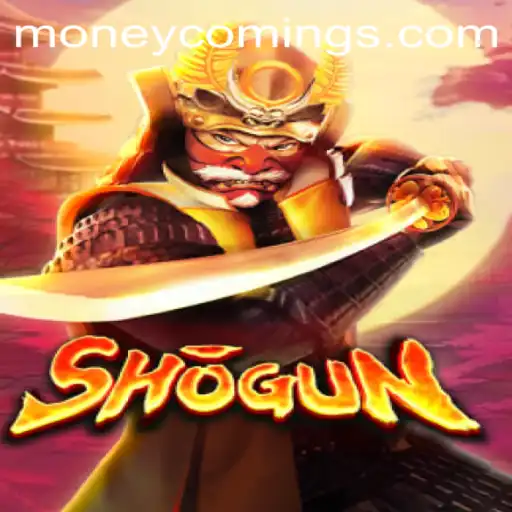
Shogun: A Strategic Journey into the Samurai Era
The world of board games and video games has witnessed remarkable transformations, making way for immersive, strategic, and intellectually stimulating experiences. Among these renowned strategy games is Shogun, a game that seamlessly merges the rich history of the Samurai with the intricacies of economic management. With the intriguing keyword 'Money Coming,' players are in for a unique experience that challenges both their tactical acumen and their ability to manage resources effectively.
Introduction to Shogun
Set against the backdrop of feudal Japan, Shogun immerses players in the life of a Daimyo during the Sengoku period. Players must navigate through a landscape riddled with political intrigue, warfare, and economic competition to emerge as the ruler of Japan. The game is celebrated for its captivating blend of historical authenticity and strategic depth.
Players are tasked with building an empire, managing various provinces, and commanding samurai warriors while balancing the economic growth necessary to sustain their campaigns. The game is renowned for its intricately designed mechanics, where the twist of 'Money Coming' plays a crucial role.
The Essence of 'Money Coming'
The keyword 'Money Coming' serves as a fundamental element within Shogun, representing the economic pulse that fuels the player's conquests and infrastructure development. The ability to manage finances effectively is pivotal to secure purchasing power for troops, fortify defenses, and expand territory.
In the context of Shogun, 'Money Coming' symbolizes wealth acquisition through various means, including resource management, trade, and economic policies. With the current events emphasizing economic challenges worldwide, such as inflation and supply chain disruptions, mastering economic strategies within Shogun provides both a learning curve and a reflective analysis of real-world economic scenarios.
Game Description and Setup
Shogun can be played both as a board game and a digital adaptation, making it accessible to a wide array of gamers. The game board consists of a detailed map of Japan divided into provinces, each with unique resources and strategic advantages.
Players begin by selecting a Daimyo and appropriating their territories. Each territory offers specific resources, which players can exploit for economic gain or military strength. As the game progresses, players must deploy samurai, construct buildings, and establish alliances, keeping a vigilant eye on their economic stability.
Units in Shogun are categorized into different roles, including infantry, cavalry, and archers, each requiring careful allocation of resources for optimal performance in battle. Moreover, diplomatic and trading opportunities arise with neighboring Daimyo, enabling players to negotiate for resources and strengthen their economic base.
Rules and Mechanics
Understanding the rules of Shogun is essential for mastering the game. The objective is clear: amass the most territories and power by the game's end. Players take turns executing various actions, including moving units, engaging in battles, developing infrastructure, and managing economies.
1. Economic Management: Players must focus on income generation through taxes, trade agreements, and resource development. The 'Money Coming' aspect is a continuous loop where finances determine the scope of a player’s actions. Economic prosperity affords players the leverage needed to expand their influence.
2. Combat Strategy: Battles are a significant component of Shogun, where players use cards and dice rolls to resolve conflicts. Tactical placement of troops, understanding opponents' weaknesses, and utilizing terrain advantages are vital to victory.
3. Building and Infrastructure: Investments in fortresses, rice paddies, and castles enhance player capabilities, providing strategic benefits like defense bonuses and additional resources. Efficiently managing these infrastructures is crucial for long-term dominance.
4. Seasonal Changes: The game simulates seasonal changes impacting resource availability and military campaigns. Players must adapt their strategies based on these factors, reflecting the cyclical nature of real-world economic dynamics.
Current Events and Reflections
In today's global economic climate characterized by uncertainties, Shogun serves as both a fun escapade and an educational tool for understanding economic principles. The current rise in inflation, fluctuating currencies, and geopolitical tensions underscore the game's relevance, as players adapt to challenges akin to those faced in the contemporary world.
Shogun reflects how astute economic planning and strategic foresight can transform potential setbacks into opportunities. With 'Money Coming' emphasizing the vital role of financial management, the game mirrors the importance of resilience and adaptability amidst changing scenarios.
By engaging with Shogun, players are not only transported to a historical narrative but also gain insights into the complexities of balancing martial and economic endeavors. The game's enduring popularity can be attributed to its ability to resonate with strategic enthusiasts and history buffs alike, offering timeless lessons within its immersive gameplay.